

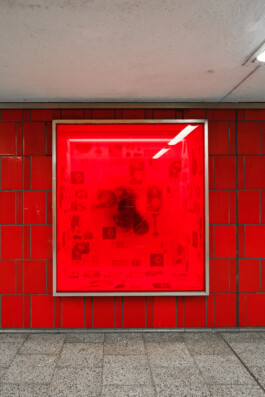

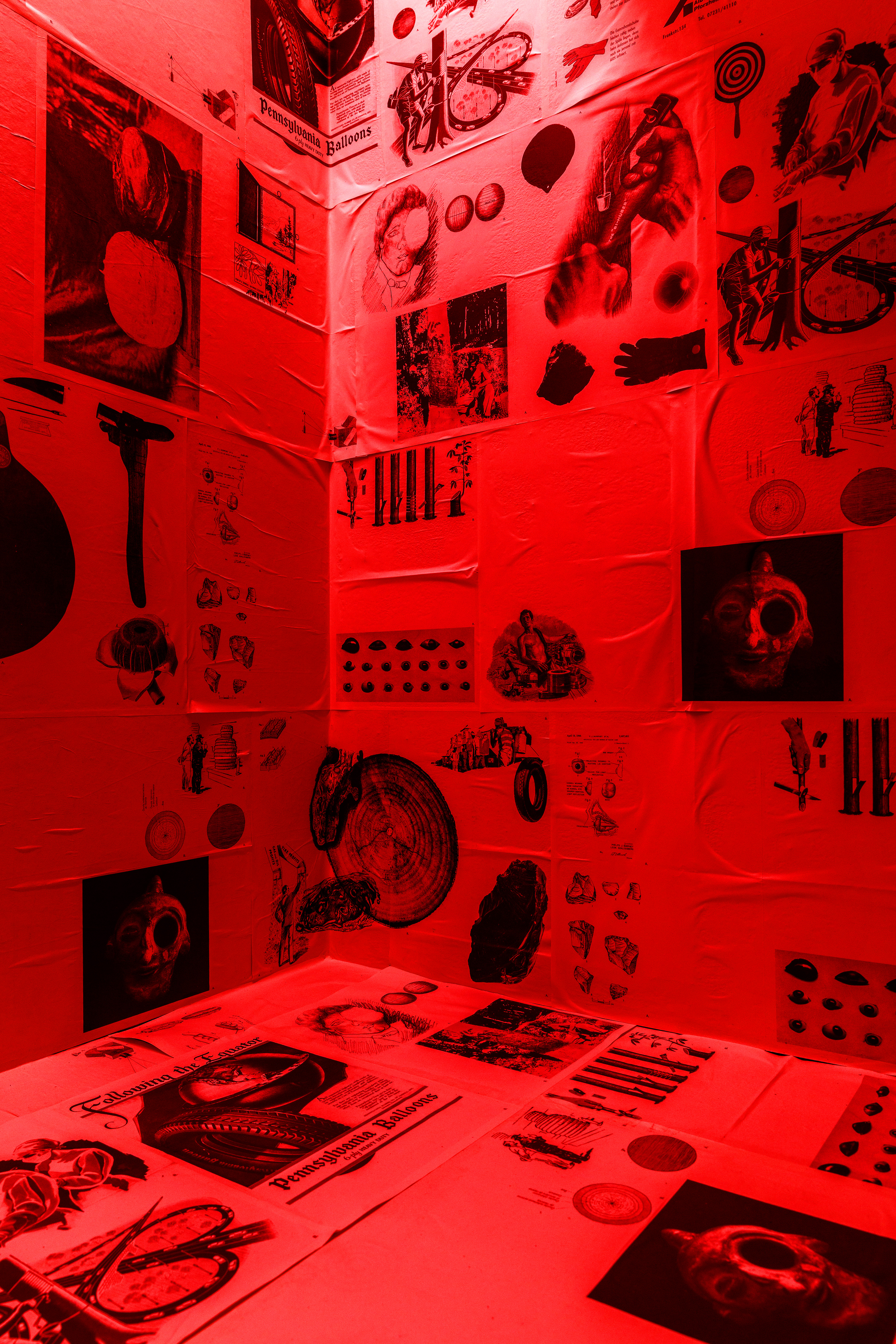

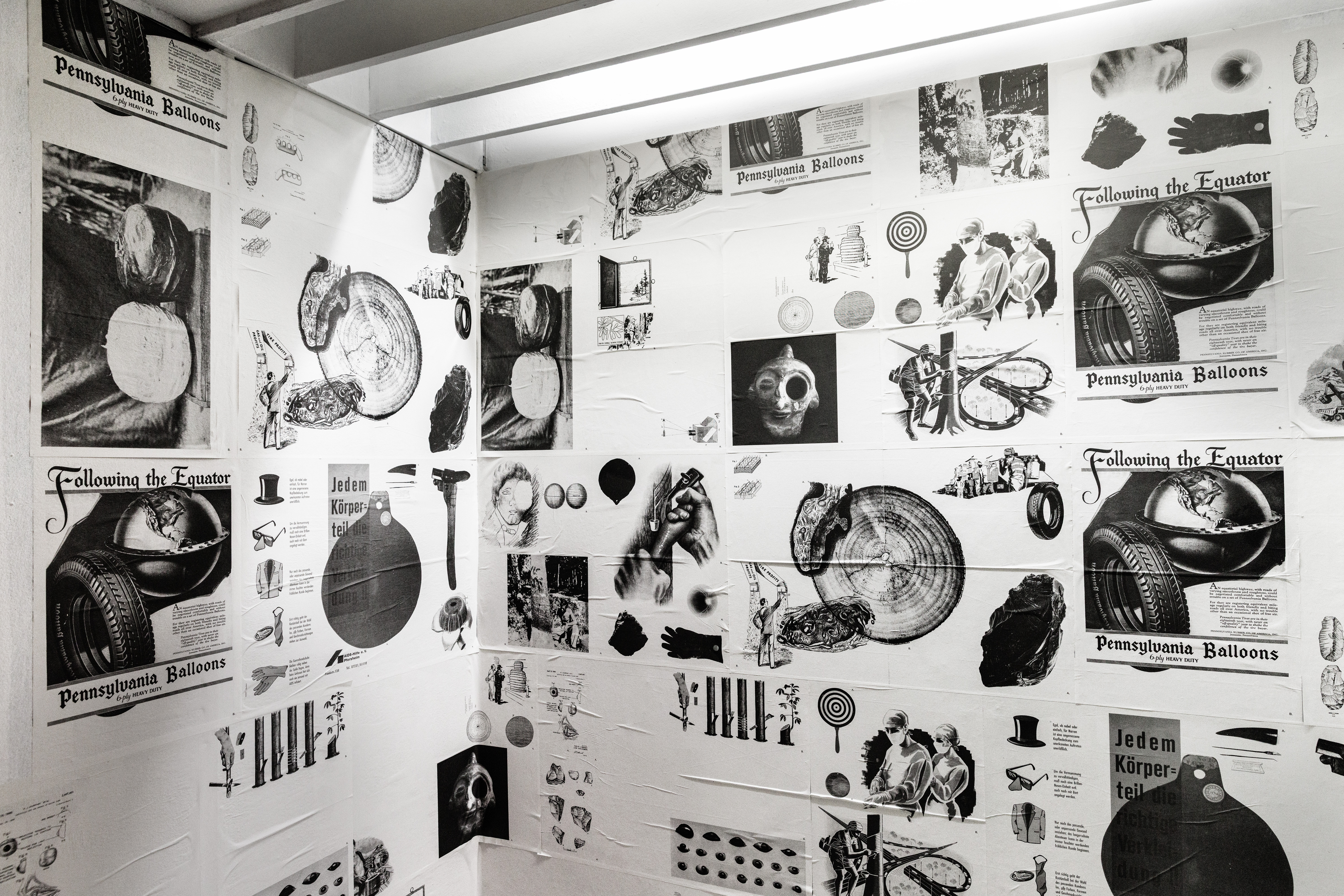
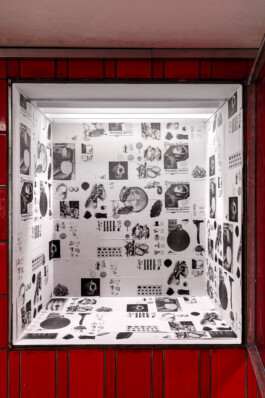
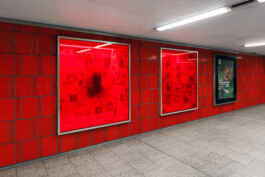
Exploring the entangled histories of materials, bodies and landscapes, Adrián Balseca traces the hidden narratives through which matter entered industrial life. Revisiting historical advertisements, he reveals how technological progress has long been intertwined with colonial violence and extraction.
Rubber becomes a material witness to this contradiction. In the nineteenth century, its transformation into gloves, cables and tyres embodied promises of modernity, affluence and sanitation. Yet behind these commodities lay the forests of the Amazon and the forced labour of Indigenous communities. The material that promised comfort and cleanliness carried traces of dispossession and exploitation.
A different material history unfolds through obsidian from Mullumicca, an ancestral mine in Ecuador. Used since the earliest Andean settlements for tools, weapons and ceremonial objects, this volcanic stone was also shaped into smoke mirrors for ritual self-perception. The mirror becomes a point of encounter between material, body and reflection.
Balseca evokes the ghostly persistence of exploitation, connecting colonial histories with contemporary extraction, mining, biodiversity loss and the appropriation of Indigenous knowledge. His work reveals a fundamental contradiction: the materials underpinning modern promises of health and progress remain inseparable from histories of bodily harm, territorial violence and ecological depletion.
Mit freundlicher Unterstützung:
Sparkasse Köln/Bonn
Stadt Köln
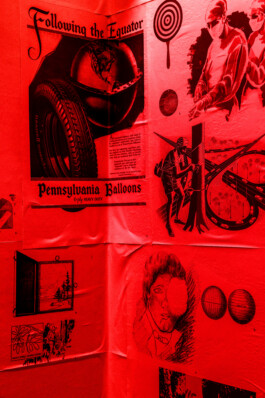
Exploring the entangled histories of materials, bodies and landscapes, Adrián Balseca traces the hidden narratives through which matter entered industrial life. Revisiting historical advertisements, he reveals how technological progress has long been intertwined with colonial violence and extraction.
Rubber becomes a material witness to this contradiction. In the nineteenth century, its transformation into gloves, cables and tyres embodied promises of modernity, affluence and sanitation. Yet behind these commodities lay the forests of the Amazon and the forced labour of Indigenous communities. The material that promised comfort and cleanliness carried traces of dispossession and exploitation.
A different material history unfolds through obsidian from Mullumicca, an ancestral mine in Ecuador. Used since the earliest Andean settlements for tools, weapons and ceremonial objects, this volcanic stone was also shaped into smoke mirrors for ritual self-perception. The mirror becomes a point of encounter between material, body and reflection.
Balseca evokes the ghostly persistence of exploitation, connecting colonial histories with contemporary extraction, mining, biodiversity loss and the appropriation of Indigenous knowledge. His work reveals a fundamental contradiction: the materials underpinning modern promises of health and progress remain inseparable from histories of bodily harm, territorial violence and ecological depletion.
Mit freundlicher Unterstützung:
Sparkasse Köln/Bonn
Stadt Köln